
- September 22, 2025
- Blog
- rishabhrusia7
- 0 Comments
Welcome, young scientists and curious parents! Science doesn’t always need a big lab, heavy equipment, or hours of preparation. In fact, some of the most exciting discoveries can happen in just one minute using the simple items you already have at home. Today we learn Amazing 1 Minute Science Experiments with Everyday Items.
Quick Chemistry Experiments
These 1 minute science experiments are designed to be fast, fun, and full of surprises. Each activity will show you how science is working all around us—whether it’s bubbles fizzing, colors dancing, or objects floating when they shouldn’t. You’ll see big results in very little time!
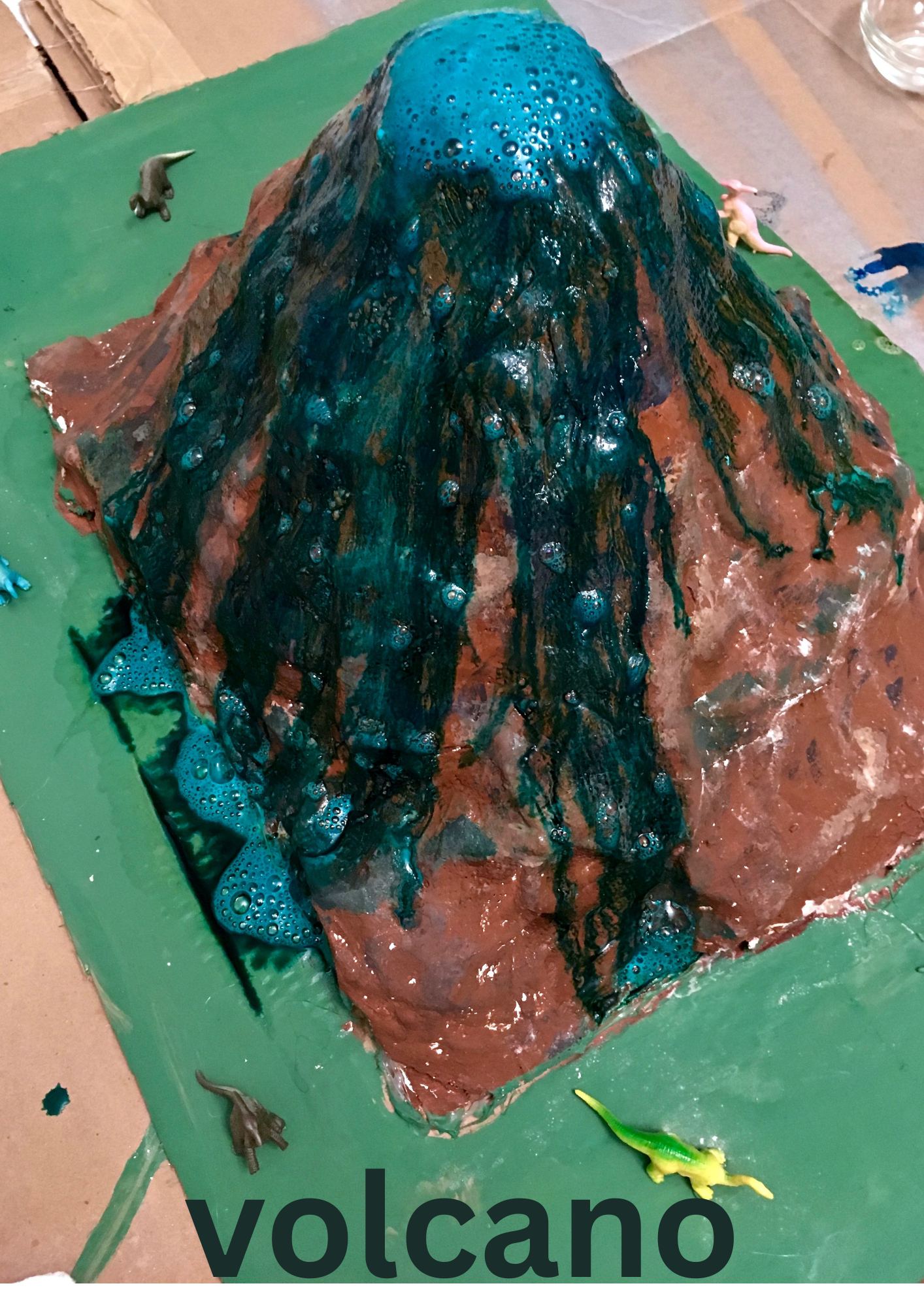
Mini Volcano
- Materials Needed: Baking soda, vinegar, food coloring, a small cup.
- Steps:
- Place baking soda in a cup.
- Add food coloring (optional).
- Pour in vinegar and watch it erupt!
- What’s Happening? Baking soda (a base) reacts with vinegar (an acid) to release carbon dioxide gas, creating fizz and foam.
- Learning Outcome: Acids and bases react to form new substances.
Shiny Pennies
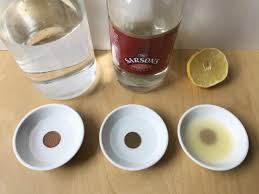
- Materials Needed: Old dull pennies, vinegar, salt, small bowl.
- Steps:
- Mix vinegar and salt in a bowl.
- Drop in the pennies for a few seconds.
- Take them out and see them sparkle!
- What’s Happening? Vinegar and salt dissolve copper oxide, the dull coating on the pennies.
- Learning Outcome: Chemical reactions can clean and restore metals.
Mixing Impossible
- Materials Needed: Oil, water, food coloring, clear glass.
- Steps:
- Fill a glass halfway with water.
- Add food coloring and mix.
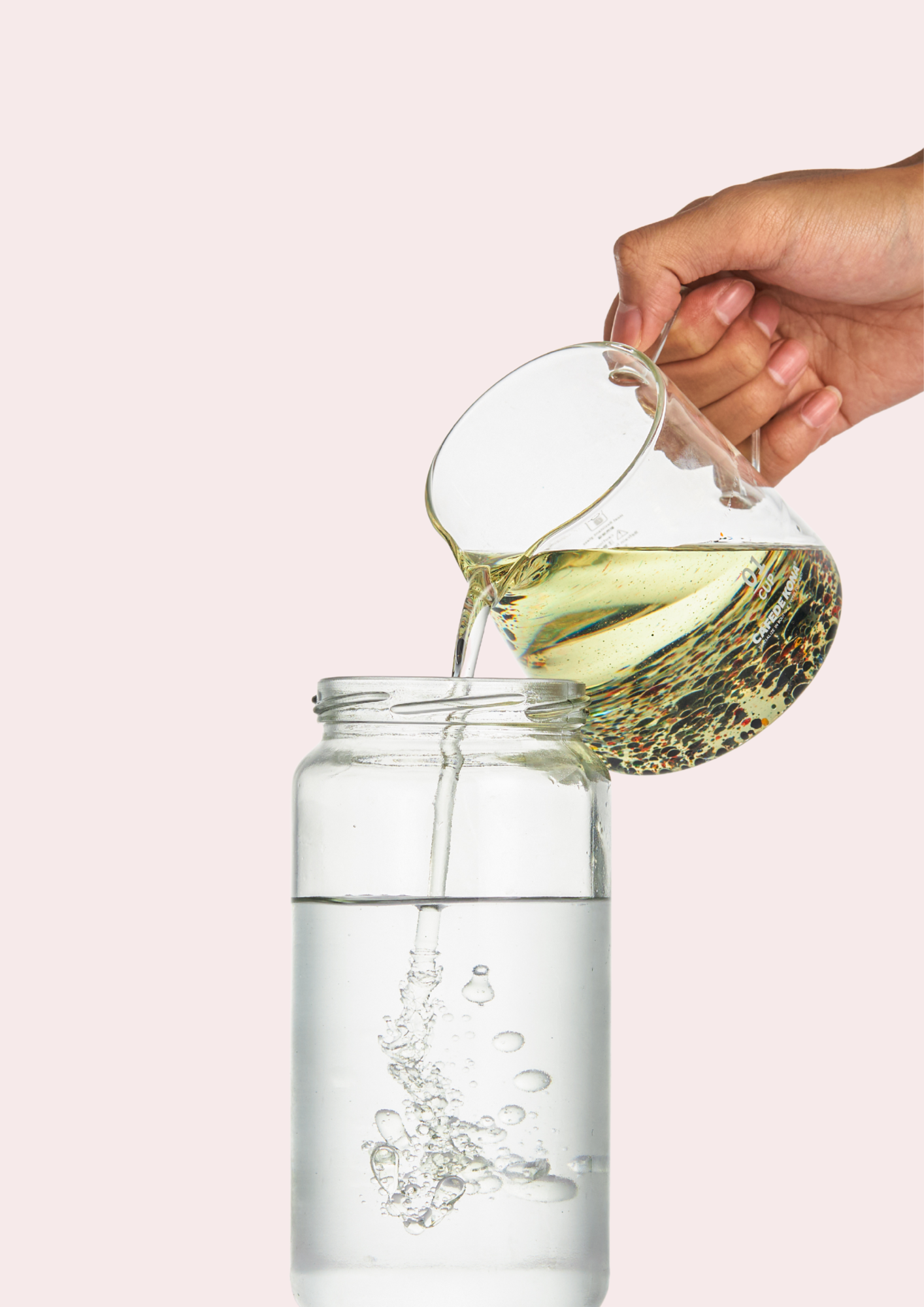
- Slowly pour oil on top. Watch how they refuse to mix!
- What’s Happening? Oil and water don’t mix because of different densities and molecular structures.
- Learning Outcome: Polarity explains why some substances can’t combine.
Quick Physics Experiments
Learn how motion, forces, and energy work—all in just one minute! Physics is the science of movement, energy, and the rules that govern our everyday world. These fast experiments will help you see the invisible forces in action.
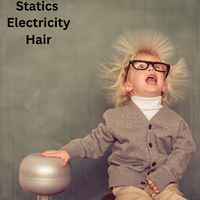
Static Electricity Hair
- Materials Needed: Balloon, dry hair.
- Steps:
- Blow up the balloon and rub it on your hair.
- Hold it close to your head.
- Watch your hair strands stand up and reach for the balloon!
- What’s Happening? Rubbing transfers electrons, giving the balloon a negative charge. Your hair is attracted to it.
- Learning Outcome: Static electricity shows how opposite charges attract.
Sink or Float?
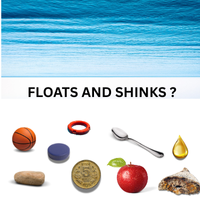
- Materials Needed: Bowl of water, various objects (coin, apple, plastic spoon, stone).
- Steps:
- Drop each item in water.
- Predict whether it will sink or float.
- Test and compare results!
- What’s Happening? Objects float if their density is less than water, and sink if greater.
- Learning Outcome: Buoyancy explains why boats float and stones sink.
Magnet Magic
- Materials Needed: Magnet, paper clips (or pins).
- Steps:
- Place paper clips on a table.
- Slowly move the magnet underneath the table or paper.
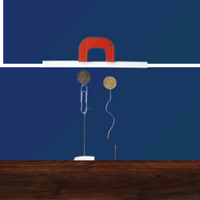
- Watch the clips follow the invisible force!
- What’s Happening? Magnets create a force field that attracts iron-based metals.
- Learning Outcome: Magnetic fields act at a distance without touch.
Paper Airplanes
- Materials Needed: A4 paper sheet.
- Steps:
- Fold a paper airplane.
- Throw it at different angles and speeds.
- Compare how far and fast it goes.
- What’s Happening? Air pushes against the plane’s wings, creating lift and drag.
- Learning Outcome: Aerodynamics shows how shape and speed affect flight.

Quick Biology Experiments
Discover the magic of plants, colors, and living things! Biology is the science of life, and with just a few everyday items, you can watch nature’s secrets come alive in front of you.
Traveling Rainbows
- Materials Needed: 3–6 clear cups, water, food coloring, paper towels.
- Steps:
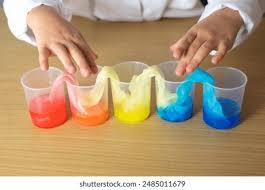
- Fill every other cup with colored water (red, blue, yellow). Leave empty cups between them.
- Fold paper towels and place one end in a colored cup and the other end in an empty one.
- Watch as water “walks” through the paper towel and mixes in the empty cups, forming new colors!
- What’s Happening? Water travels upward and sideways through paper towels due to capillary action, carrying the color along.
- Learning Outcome: Plants and trees move water the same way—through tiny capillaries.
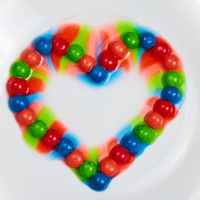
Skittle Heart Experiment
- Materials Needed: Plate, Skittles (or colorful candies), warm water.
- Steps:
- Arrange Skittles in a heart shape on the plate.
- Slowly pour warm water in the middle until it touches the candies.
- Watch the colors spread and form a rainbow heart!
- What’s Happening? The sugar coating dissolves quickly in water, releasing food coloring that spreads outward.
- Learning Outcome: Dissolving and diffusion show how substances move in liquids.
FAQ – 1 Minute Science Experiments
Q1: Can I do these experiments alone?
Some of these experiments are safe to try on your own, but it’s always better to have an adult or teacher nearby—especially if heat, sharp objects, or chemicals are involved. Science is more fun (and safer) when done together!
Q2: Do I need safety gear?
Most of these quick experiments use everyday items and are safe. But whenever you work with vinegar, soap, or anything that might splash, it’s a good idea to wear safety glasses or keep tissues and water nearby.
Q3: How do I explain these to my class/parents?
Think of it as telling a story:
- What did I use? (materials)
- What did I do? (steps)
- What happened? (results)
- Why did it happen? (science explanation)
That way, your audience will learn the experiment just like you did.
Q4: What if I don’t have all the items?
No worries! You can swap some materials with similar ones. For example, lemon juice can replace vinegar, or a plastic cup can replace a glass. The fun part of science is experimenting with what you already have.
Q5: Which subjects do these experiments cover?
These experiments touch many areas of science:
- Chemistry (bubbling, fizzing, color changes)
- Physics (forces, energy, motion)
- Biology (plants, colors, living things)
Teacher’s / Parent’s Note
Dear Parents and Teachers,
These quick science experiments may look simple, but they carry powerful lessons. For younger students, your guidance is especially important—not just for safety, but to help them think, ask questions, and connect what they see to real science concepts.
Encourage children to keep a small science notebook where they can write down the materials used, steps followed, what happened, and their own explanation of why it worked. This habit builds observation skills and helps them feel like real scientists.
Remember, the goal is not just to “finish an experiment” but to spark curiosity and teamwork. Ask students questions like “What do you think will happen if we change this?” or “Why do you think this worked?” Simple discussions like these develop critical thinking and confidence.
Above all, let science be fun! These activities are short, colorful, and playful—but they also lay the foundation for a lifelong love of discovery. With your support, students will learn that science isn’t just in textbooks—it’s alive in their everyday world.

Leave A Comment